

WHAT WE DO
California is a biodiversity hotspot, one of 35 global biodiversity hotspots identified by scientists. Global biodiversity hotspots cover just 2% of Earth’s surface, yet they are home to 70% of Earth’s species!
Biodiversity sustains food systems, cleans our water and air, provides nature-based solutions to fire and climate threats, and shares experiences that inspire and heal. Preserving biodiversity comes down to two things: species and their habitats. Both are disappearing at an unprecedented and accelerating rate.
The California Institute for Biodiversity (CIB) connects scientists, funders, communities, and decision-makers to advance solutions for securing biodiversity. CIB invests in emerging technology and funds transformative efforts that genuinely scale our ability to sample and save biodiversity. Join us in securing a richer tomorrow.
Saving Places
-
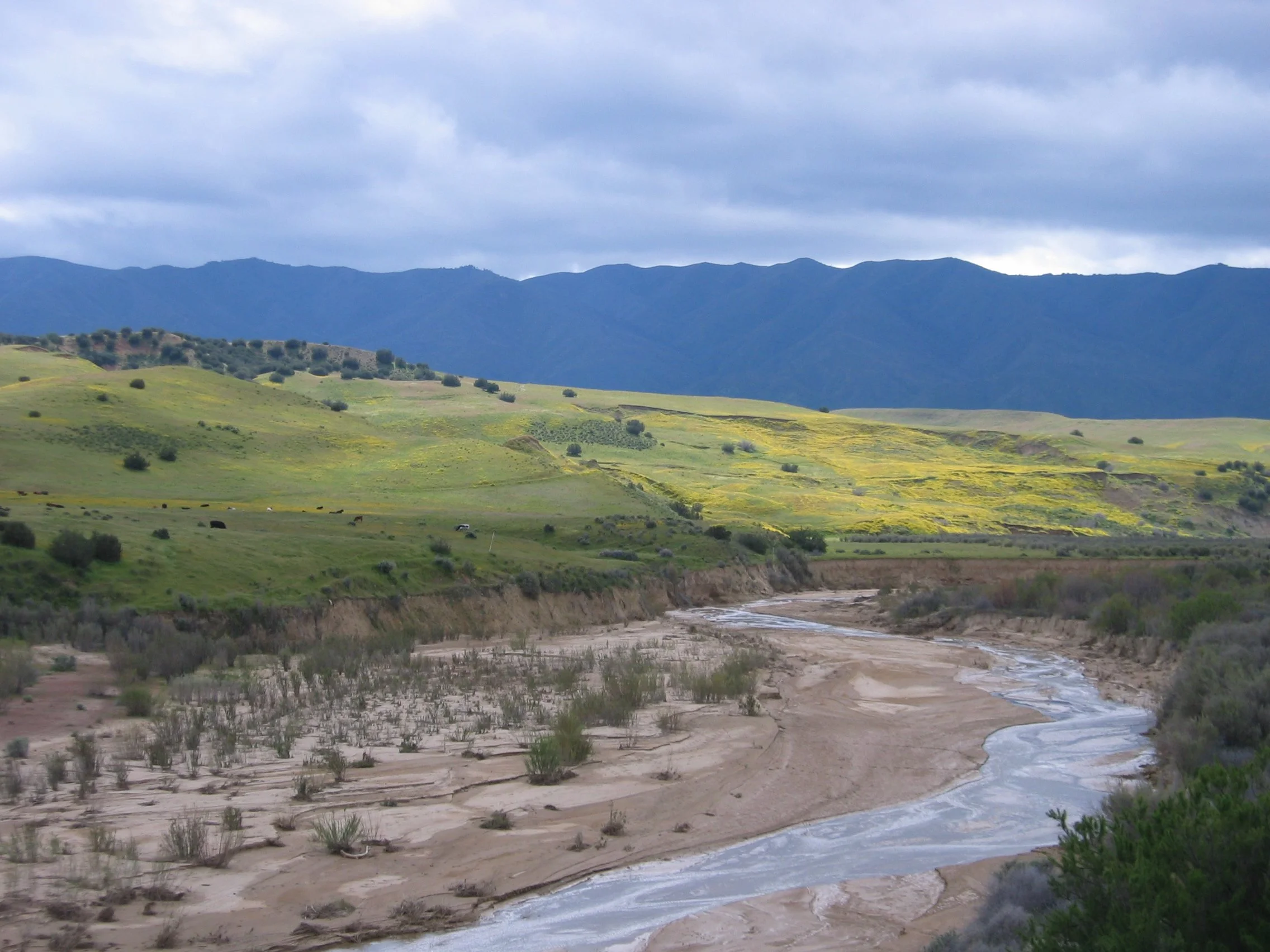
Habitat destruction is the leading cause of extinction in California and worldwide. Because saving places for nature to live is fundamental, CIB works to protect vital habitats for biodiversity and human well-being. This includes advancing “30x30,” an ambitious statewide goal to conserve 30% of California’s lands and waters by 2030, including Landback of Native ancestral lands.
Our Southern California conservation coalition unites a diversity of conservation groups and agencies to secure wildlands and wetlands across a multi-county region. CIB’s Land Conservation Accelerator Project comprises a portfolio of game-changing reforms exploring pathways to improve the pace and scale: land trusts for underserved areas, Ecosystem Development Financial Institutions to resource urgent acquisitions, shared revolving loan funds to support nonprofits, and novel approaches for saying “YES!” to landowners who wish to save the diverse lands that are the foundation of California’s health and prosperity.
DNA Barcoding Library
-
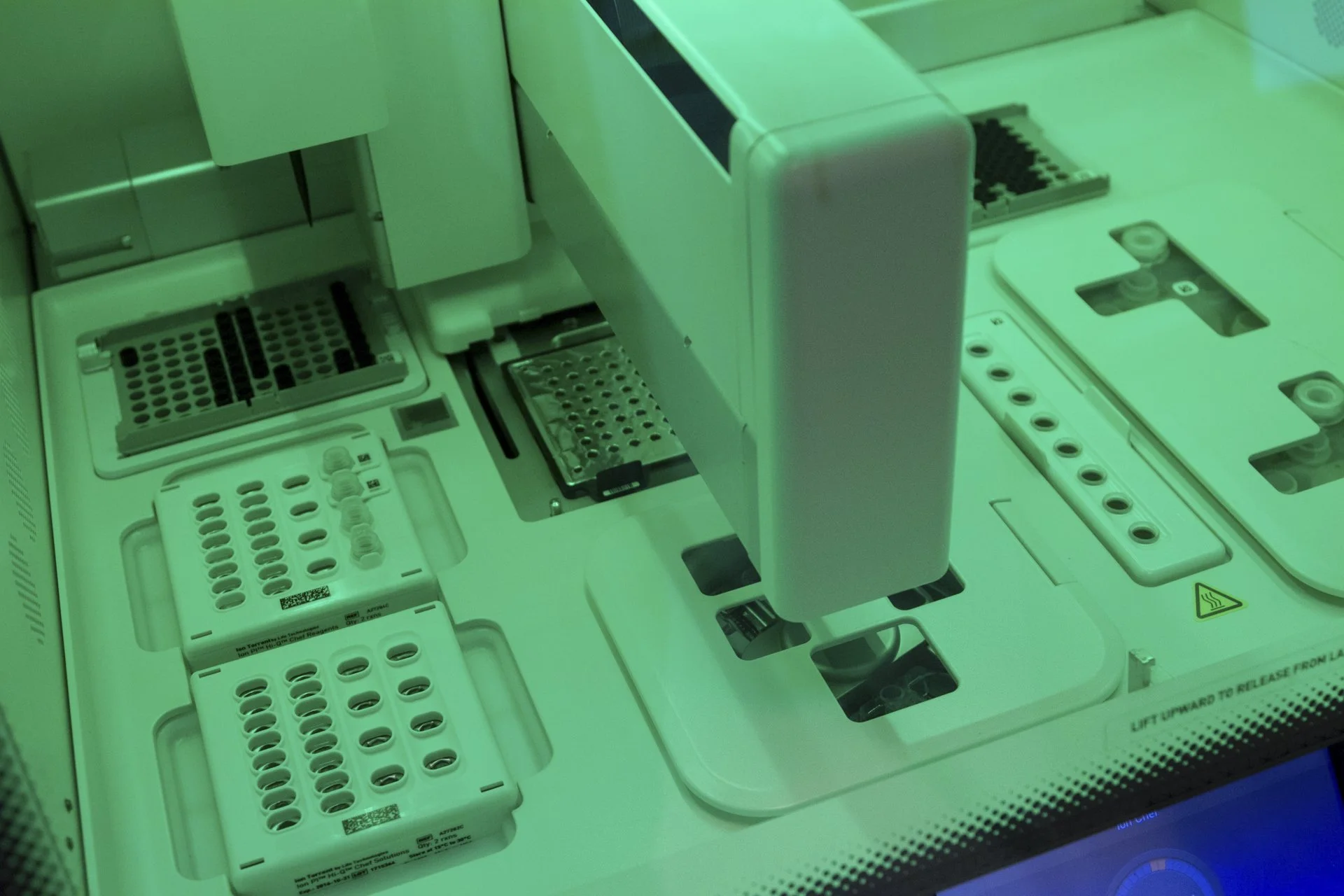
Developing a voucher-based DNA barcode reference library for all California biodiversity provides baseline data for conservation action, enables advanced 21st century monitoring and assessment, and reveals unprecedented insights into how populations, communities, and species evolve in response to climate change and other threats.
This ambitious project is also a critical opportunity to ensure equity and advance inclusion via workforce development and job training that grows a diverse new generation of biodiversity champions.
Moreover, once completed this effort will ensure society has saved a specimen of every species in the state, before they are lost forever.
Scientific Collecting
-
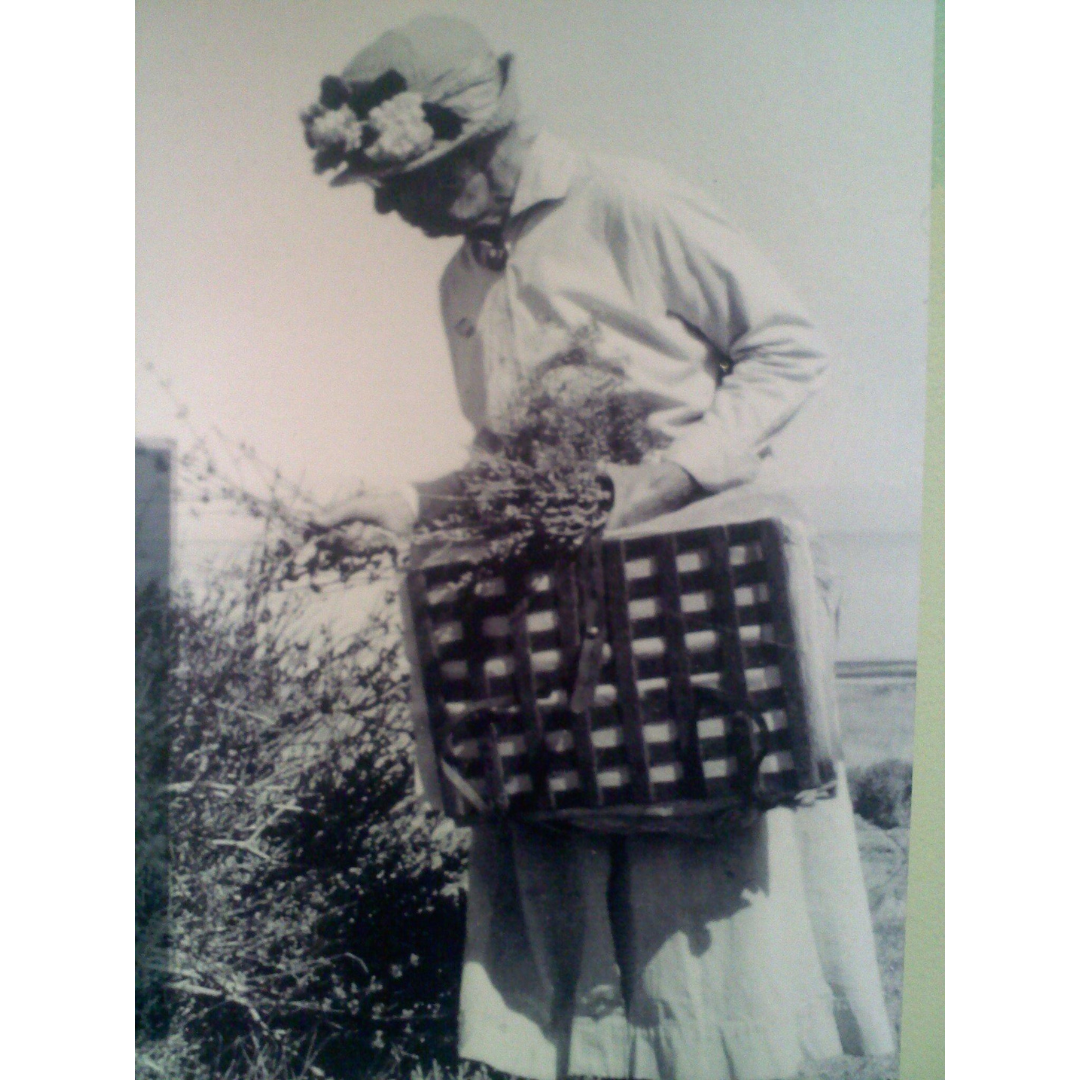
“Without a specimen, an observation is just a rumor.” Scientific collections are fundamental and priceless tools for biodiversity science, conservation, and education. Unfortunately, museums are starved for resources, outdated bureaucratic systems obstruct science, and research results are unverifiable due to lack of voucher specimens.
CIB funds museums to upgrade infrastructure and ensure irreplaceable biodiversity specimens are preserved for future generations. We work with agencies, such as California Department of Fish and Wildlife, to improve state capacity and unstick the systems that prevent scientists from doing field research.
CIB also promotes responsible collection of voucher specimens in environmental assessments and biological research, to improve data quality, address the reproducibility crisis in science, and reboot collections for the 21st Century.
California All-Taxa Biodiversity Inventory (CalATBI)
-
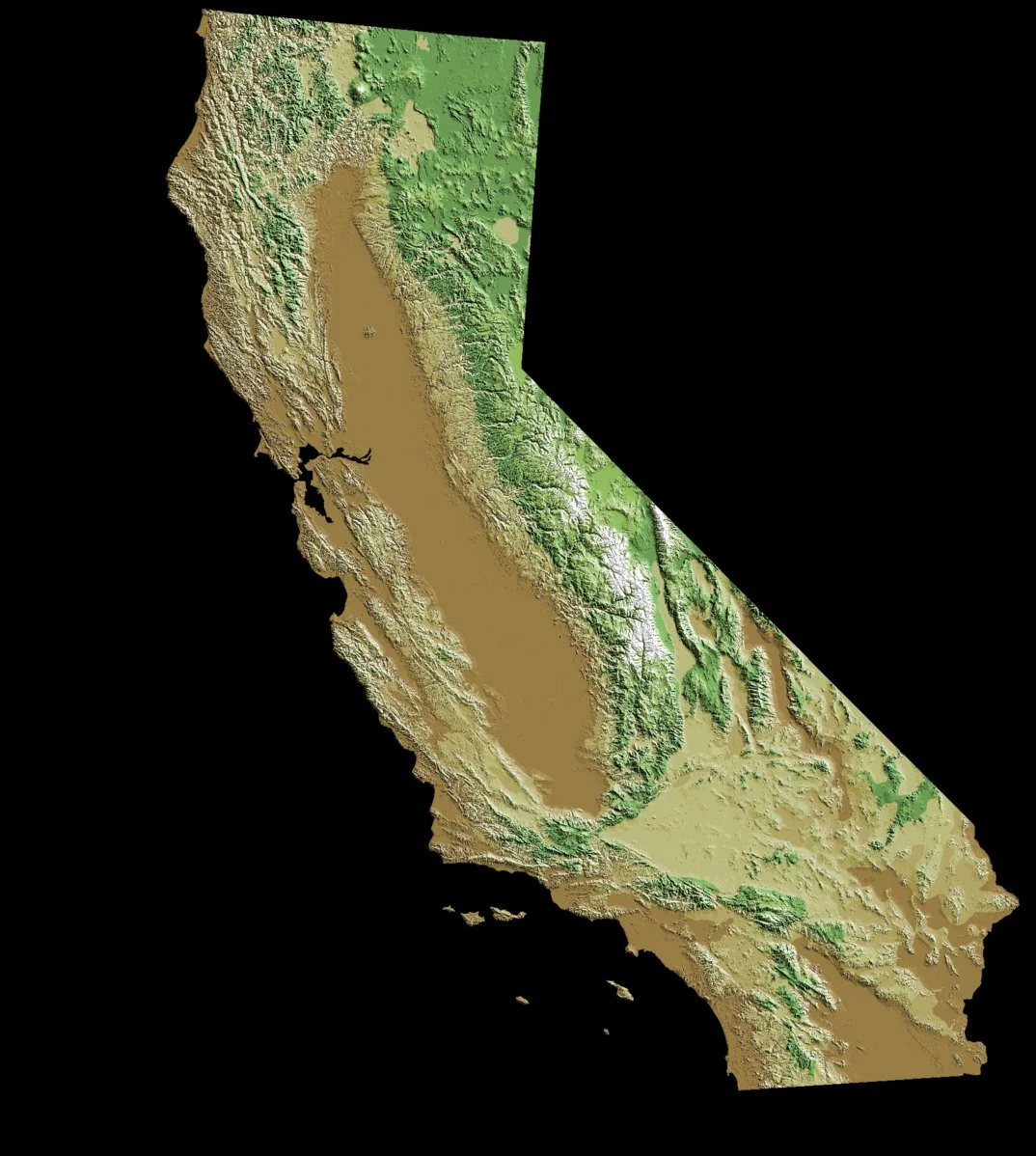
Because it is one of 35 global biodiversity hotspots, the immense scale of California’s biodiversity remains largely unexplored: more than 75% of our biodiversity is still undiscovered and undescribed. The California ATBI is a voucher-based, DNA-powered inventory of this global biodiversity hotspot.
CalATBI is currently completing five areas: Insecta, Funga, Soil Biodiversity, Intertidal Biodiversity, and environmental DNA (eDNA). Partners are deploying advanced technology and coordinated field exploration, to dramatically advance our understanding of California’s vast biodiversity. Tech, tools, and coordination systems developed in California can then help secure Earth’s other 34 biodiversity hotspots.

Investing in Ventures to Accelerate Discovery
-
CIB invests in emerging technologies to deliver enterprise-scale biodiversity discovery. Over four centuries, scientists discovered and described just a small portion of Earth’s biodiversity: 90% of species remain undescribed. Using existing approaches, it will take thousands of years to describe the millions of undiscovered species. Moreover, most are just too small and too cryptic for human eyes to tell them apart.
CIB is investing in systems that deploy advanced robotics, hyperspectral imaging, Machine Learning, and other 21st century tools to sort and prioritize micron-scale critters. Priority specimens are DNA sequenced via a growing variety of next-gen pipelines. Then agentic AI systems analyze data, develop data publications, and mint DOIs to share these discoveries at a pace commensurate with the accelerating 6th mass extinction.
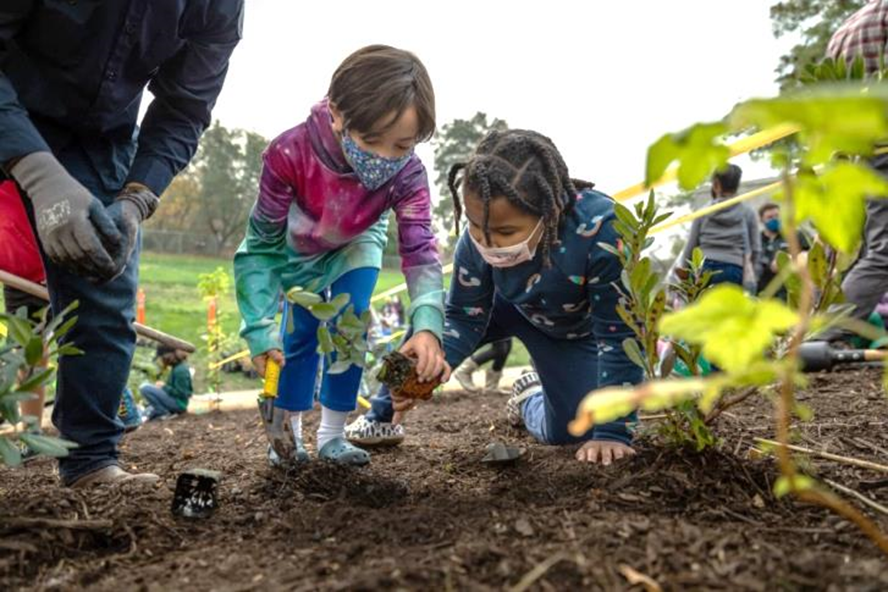
Pocket Forests for Schools and Communities
-
Access to nature improves health and education outcomes, buffers against heatwaves and drought, and improves quality of life.
Today, millions of Californians are deprived of the benefits nature. Pocket forests created using the Miyawaki Method are a powerful approach for quickly establishing robust and resilient patches of nature, honoring the inherent wisdom of an area’s indigenous ecosystem. By planting small pieces of unused urban land, Miyawaki forests can ensure all California communities have access to diverse and cooling pocket forests.
CIB advances installation of pocket forests including several planted for schools in Berkeley, and championed legislation to establish a Pocket Forest program at the California Department of Forestry and Fire Protection.
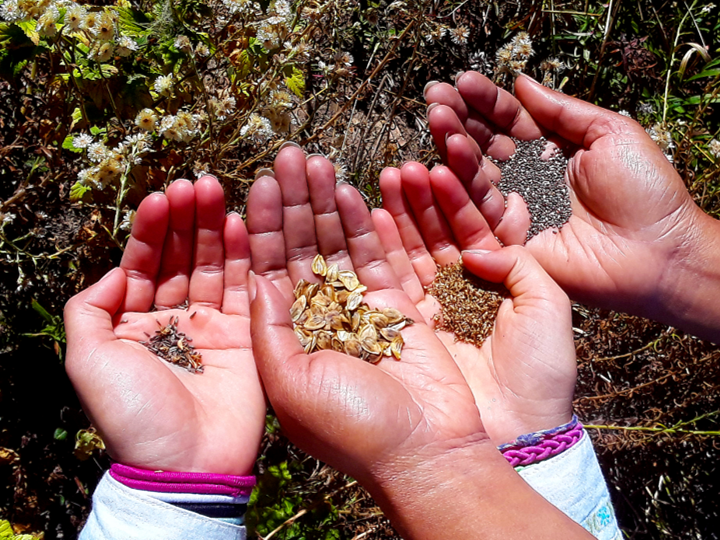
Saving Seeds for the Future
-
Climate change, wildfire, and habitat loss are extirpating populations of native plants and eliminating wild habitat at an accelerating rate. These plants are foundational solutions to myriad problems, and each lost population deprives us of habitat for pollinators, adaptations to drought, and raw material for building diverse and resilient ecosystems. Fortunately, collecting and saving seeds is an ancient and cost-effective solution to hedge against the loss of wild populations.
CIB supports partners to responsibly collect local native plant seeds for restoration and for seed banking. Recent successes include securing $6.3M for partners seedbanking California’s rare plants, and certification to ensure supply of locally-appropriate source-identified seeds for restoration.

Rescuing Orphan Collections
-
Millions of irreplaceable specimens and samples are at risk of loss, as the largest generation of scientists ages out and their collections are orphaned. Collected over decades, at incalculable cost, these at-risk troves include specimens of extinct species and samples from habitats that have been irretrievably lost. CIB works to find collections and samples at risk of loss or damage, then funds supplies, equipment, and rescue personnel to secure their future.
CIB also partners with California Biorepository: a shared offsite long-term facility that deploys state of the art practices for multi-generation compressed storage, to ensure future generations have access to the wealth of biodiversity they will need to thrive.
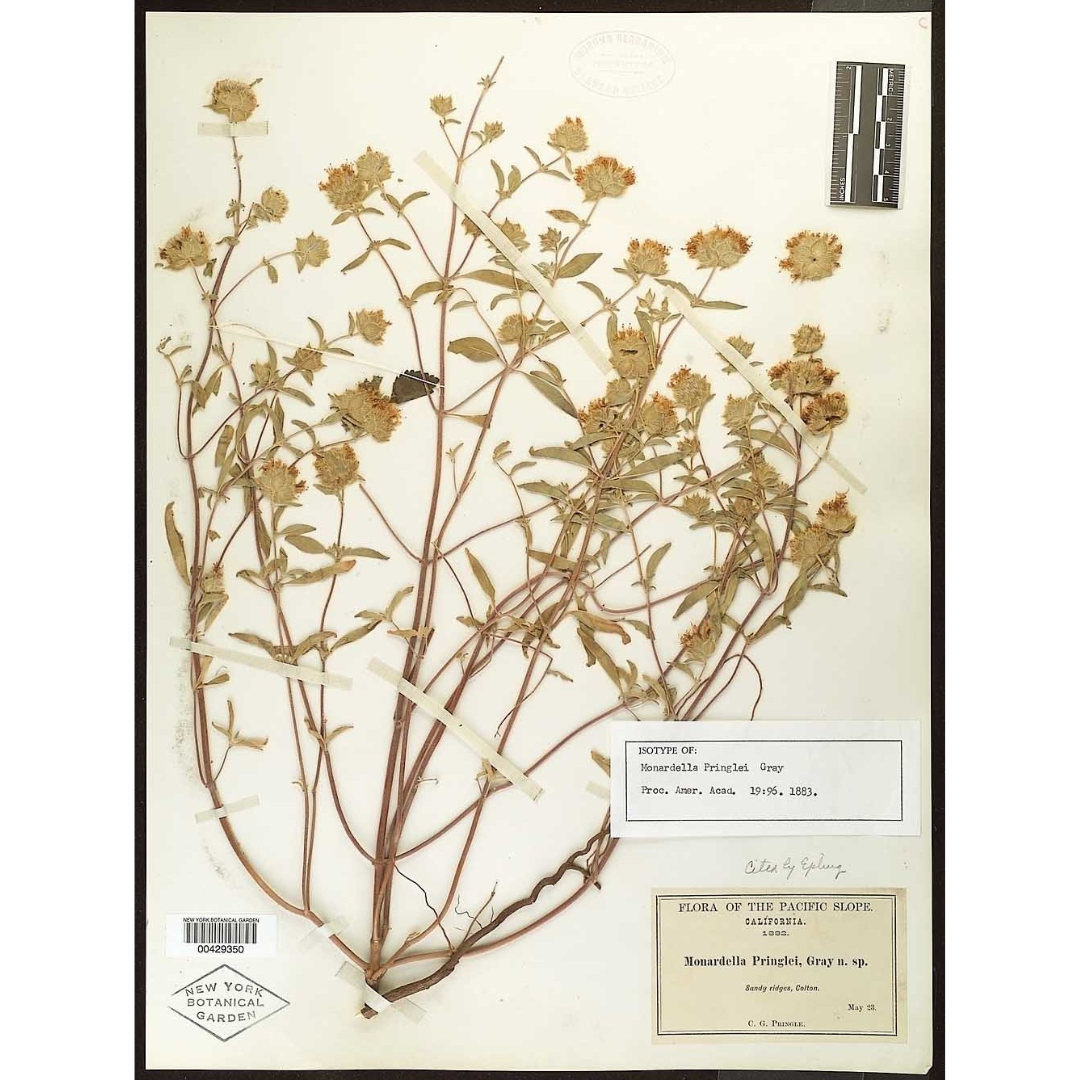
De-extinction of Lost Species
-
Lost from the wild, some species persist still, as seeds, tissue cultures, and other forms dormant in scientific collections. CIB is leading the effort to revive two species of California Monardella mints that have been extinct since 1940s.
Partners are carefully harvesting seeds from antique herbarium specimens, analyzing seeds using advanced hyperspectral imaging and AI, then propagating the extinct Monardella by regenerating tissue and isolating zygotic embryos for introduction to callus induction medium. If extinct Monardella can be grown, plants will be cloned to produce seed for long-term conservation seed banking, toward potential reintroduction into the wild someday.
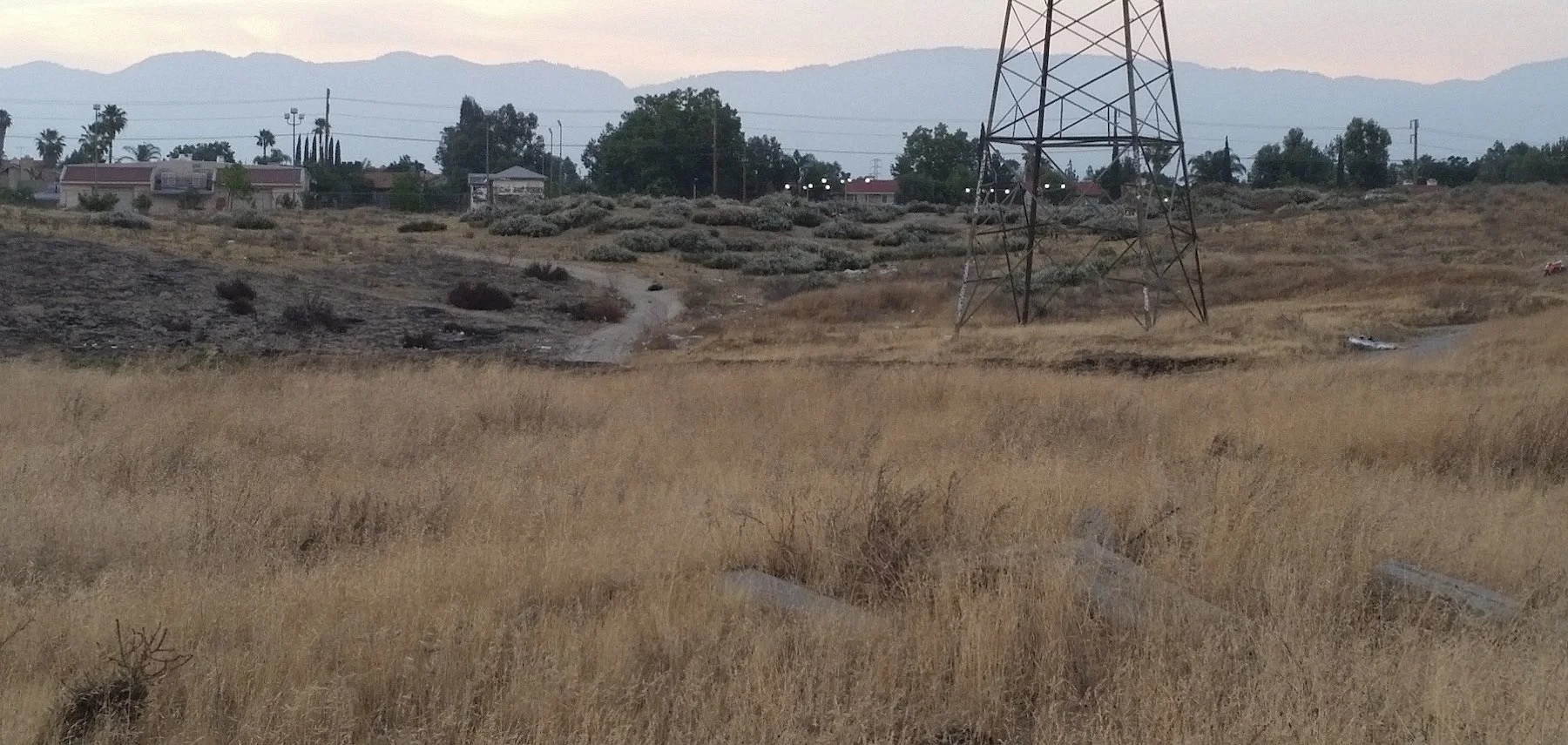
Addressing the Impacts of Nitrogen Pollution
-
Vehicles, power plants, and other activities spew large quantities of nitrogen fertilizer into our atmosphere. This pollution fertilizes weedy invasive grasses, dramatically increases pollen-related asthma and allergies, fuels wildfires, and diminishes biodiversity.
CIB is seeking regulatory and policy changes and resources to enable sustainable land management practices such as grazing to reduce fire-prone invasive grasses.

Monarch Rescue
-
Once, millions of Western Monarchs migrated hundreds of miles to winter roosts, to cling together in colorful curtains of butterflies. Today, the Western Monarch migration is near collapse. Pesticides, habitat loss, wildfire, climate change and disease have driven a stunning 90% decline since the 1980s.
CIB supports efforts to save the Western Monarch, by addressing overuse and misuse of harmful pesticides, restoring and managing habitat, and scoping emergency action to rescue and head start populations should all else fail. CIB successfully secured $8M for California’s Wildlife Conservation Board to grant for habitat projects, but more remains to be done.

Addressing the “Insect Apocalypse”
-
Butterflies, pollinators, and other insect populations are declining dramatically, and many species are speeding toward extinction. Scientists call it the “Insect Apocalypse.” We call it our highest priority. Efforts include reducing overuse/misuse of noenicitinoids and other pesticides, modernizing urban infrastructure to reduce harmful ALAN (Artificial Lighting At Night), and working with scientists and other partners to discover and address the fundamental causes of this most urgent manifestation of our global biodiversity crisis.
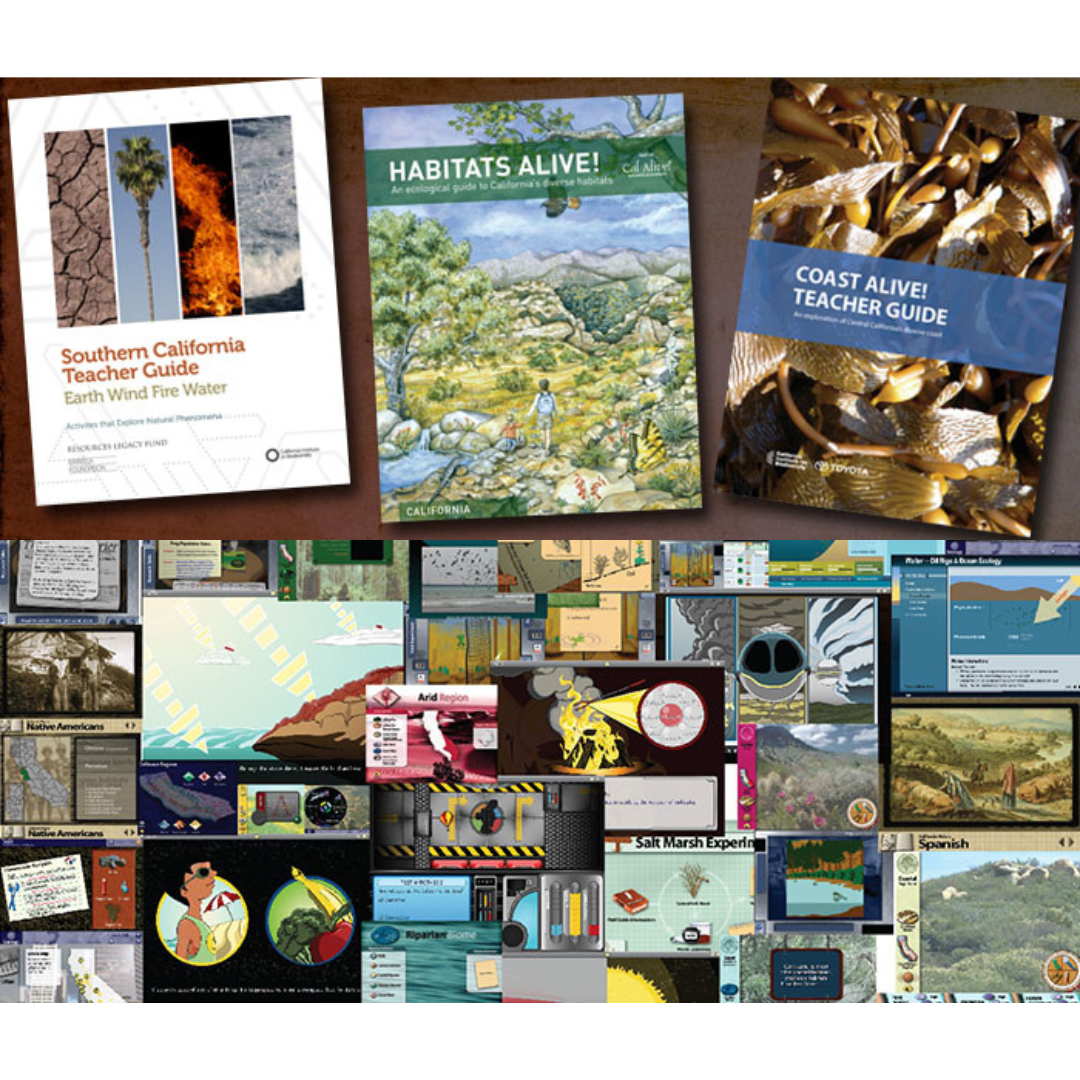
California Biodiversity Pedagogical Tools
-
Using California as its classroom, the Cal Alive! portfolio provides unparalleled educational materials to teachers and students, with valuable environmental science lessons that foster appreciation of the unique environment California students enjoy every day. Books, videos, digital resources, and other materials are available through a variety of outlets.

Supporting Local Groups and Partners
-
To confront the 6th mass extinction event and save Earth’s biodiversity, we must grow capacity, engage communities, and ensure everyone has the chance to contribute. Thus, CIB supports partner organizations with grants, tools, and communications support.
CIB has provided hundreds of grants to expand capacity and advance inclusion, supporting hundreds of early-career scientists across scores of institutions, agencies, and nonprofits. For select partners CIB can provide robust grassroots engagement tools, including advocacy platforms, outreach/organizing support, and communications and publicity to elevate their stories and celebrate their successes.
If you’re working to advance equity and save biodiversity, please let us know how we can help.
Teacher Trainings
-
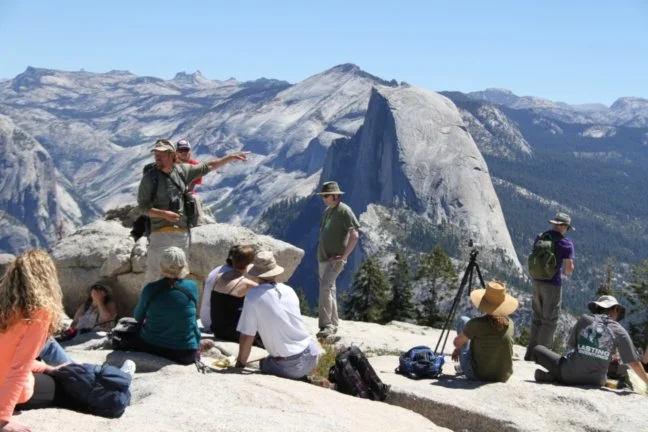
CIB’s professional development workshops integrate field investigations with hands-on classroom and outdoor activities, in multi-day immersive trainings. Since 1995, dozens of these workshops have brought scientists and educators together, so that thousands of students could experience the thrill of doing hands-on science.
Please get in touch to suggest or request a workshop.